
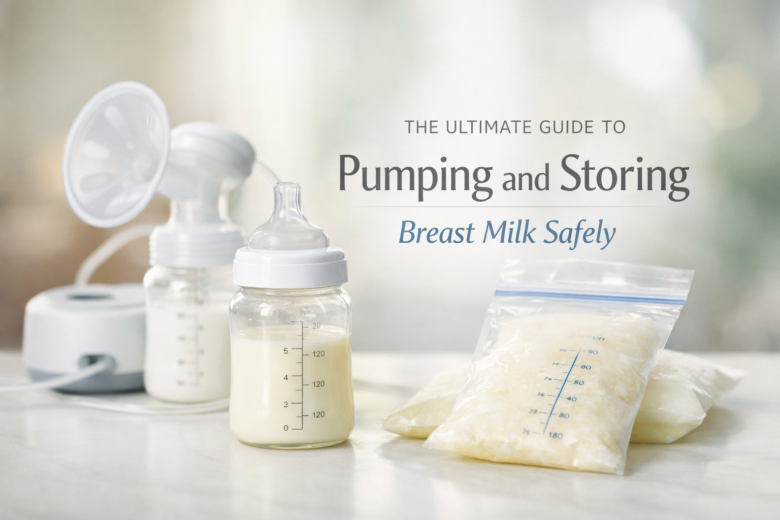
Pumping and storing breast milk can be a lifesaver for many families. It allows flexibility, helps maintain milk supply, and ensures your baby receives valuable nutrients even when you are away.
With the right techniques and storage habits, parents can keep breast milk fresh, safe, and ready whenever the baby needs it.
This guide explains practical methods for pumping, storing, and organizing breast milk while keeping hygiene and safety in mind.
Choosing the Right Pump and Preparing to Pump
Before starting, selecting the correct breast pump can make the experience much easier. There are manual pumps, electric pumps, and hospital-grade pumps. The best choice often depends on how frequently you plan to pump.
Preparation is just as important as the pump itself. Washing hands thoroughly and cleaning pump parts helps avoid contamination. Many parents also find that relaxing, staying hydrated, and looking at their baby’s photo can stimulate milk flow.
Using a comfortable position and ensuring the flange fits correctly can prevent discomfort and improve milk output.
- Wash hands with warm water and soap
- Sterilize pump parts before first use
- Use a comfortable and quiet environment
- Have clean containers ready for storage
- Label bags or bottles before pumping
How to Pump Breast Milk Efficiently
Efficient pumping usually follows a natural rhythm similar to breastfeeding. Most sessions last around 15–20 minutes per breast, depending on the individual milk flow.
Gentle breast massage before pumping can help stimulate the let-down reflex. Many parents also alternate between stimulation and expression modes if their pump has this feature.
Consistency matters more than duration. Pumping regularly at similar times each day helps maintain milk production and keeps the body in a predictable routine.
| Pumping Situation | Recommended Frequency | Average Duration |
|---|---|---|
| Occasional pumping | 1–2 times per day | 10–15 minutes |
| Working parents | Every 3–4 hours | 15–20 minutes |
| Exclusive pumping | Every 2–3 hours | 20 minutes |
Safe Breast Milk Storage Guidelines
Proper storage keeps breast milk safe and preserves its nutritional value. The container should always be clean and food-grade. Many parents prefer storage bags designed specifically for breast milk because they save space and are easy to label.
Milk should be stored in small portions to reduce waste. Freezing large quantities may lead to unnecessary thawing if the baby does not finish the bottle.
Temperature also plays a key role in preservation.
| Storage Location | Safe Storage Time |
|---|---|
| Room temperature (25°C / 77°F) | Up to 4 hours |
| Refrigerator | Up to 4 days |
| Freezer compartment | 3–6 months |
| Deep freezer | Up to 12 months |
Labeling every container with the date and time of pumping helps maintain proper rotation, ensuring the oldest milk is used first.
Thawing and Using Stored Breast Milk
When it is time to use stored milk, proper thawing helps maintain quality and prevents nutrient loss. The safest method is placing frozen milk in the refrigerator overnight.
Another option is holding the sealed container under warm running water. This gently warms the milk without damaging sensitive nutrients.
Avoid microwaving breast milk, as it can create hot spots and reduce nutritional quality. Gently swirling the container instead of shaking helps mix the milk layers naturally.
- Never refreeze thawed breast milk
- Use refrigerated thawed milk within 24 hours
- Discard leftovers from a previously fed bottle
- Always test milk temperature before feeding
Organizing Your Breast Milk Supply
Many families find it helpful to organize their milk supply using a simple rotation system. Placing newer milk at the back of the freezer and older milk in front helps ensure nothing goes unused.
Some parents also create a weekly pumping tracker to monitor supply and storage levels. This can be especially helpful for parents returning to work or managing daycare feeding schedules.
| Day | Pumping Sessions | Milk Stored |
|---|---|---|
| Monday | Morning / Afternoon | 150 ml |
| Tuesday | Morning / Evening | 180 ml |
| Wednesday | Morning / Afternoon | 160 ml |
Final Thoughts
Pumping and storing breast milk safely gives families flexibility while ensuring babies continue receiving important nutrients. With proper hygiene, storage practices, and organization, breast milk can remain safe and fresh for extended periods.
Establishing a consistent routine, using reliable storage containers, and following temperature guidelines are simple but effective ways to protect the quality of expressed milk.
With these habits in place, pumping becomes a practical and empowering part of many parenting journeys.
Medical Disclaimer: This content is for informational and educational purposes only and does not substitute professional medical advice, diagnosis, or treatment. Always seek the advice of your pediatrician or other qualified health provider with any questions you may have regarding a medical condition or the introduction of new foods. In the event of a severe allergic reaction or breathing difficulties, seek emergency medical care immediately.

About the Author: Manager Joe is a nutrition specialist focusing on infant dietary development. With a passion for evidence-based guidance, Manage Joe helps parents navigate the complexities of early childhood nutrition with confidence and safety.